Chronic kidney disease (CKD) can be slowed down and better managed through a proactive approach to health. Here are ten essential strategies to help preserve kidney function and improve your quality of life.
Control Your Blood Pressure
High blood pressure is one of the main factors contributing to the progression of CKD. Well-controlled blood pressure (ideally below 130/80 mmHg) helps limit kidney damage. To achieve this:
Reduce your salt intake (less than 5 g per day).
Follow a balanced diet rich in fruit and vegetables.
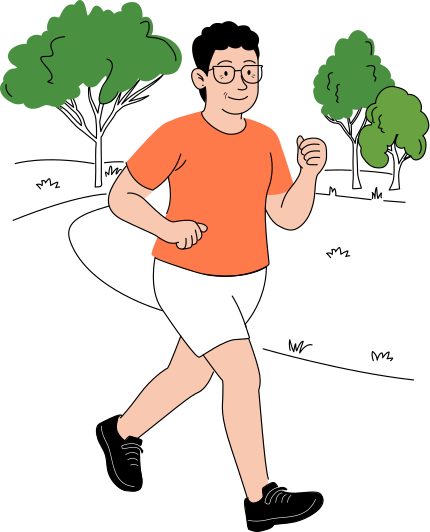
Exercise regularly (around 30 minutes per day).
Take your blood pressure medication exactly as prescribed by your doctor.
Maintain stable blood sugar levels if you have diabetes
Diabetes is the leading cause of CKD. Good blood sugar control helps slow kidney deterioration. To help achieve this:
Monitor your blood sugar regularly.
Choose foods with a low glycaemic index.
Follow your prescribed treatment and seek advice from a healthcare professional when needed.
Have Regular Medical Check-Ups for Kidney Function
Regular monitoring is essential to adjust treatments and slow disease progression:
Get regular blood and urine tests to track creatinine levels and glomerular filtration rate (GFR).
Visit your nephrologist at least once a year.
Discuss treatment options if your kidney function declines.
Take your medications as prescribed
Some medications help protect the kidneys, while others may damage them. Recommendations include:
Follow medical prescriptions carefully.
Avoid self-medication, especially non-steroidal anti-inflammatory drugs (NSAIDs) such as ibuprofen or naproxen.
Avoid self-medication, especially non-steroidal anti-inflammatory drugs (NSAIDs) such as ibuprofen or naproxen.
Work with a dietitian to create a suitable meal plan
Diet plays a key role in protecting kidney function. A renal dietitian can help you:
Reduce animal protein intake if necessary.
Adjust sodium, potassium and phosphorus intake.
Maintain proper hydration according to your kidney function.
Include physical activity in your daily routine
Exercise improves blood circulation and helps reduce CKD-related risk factors. A few recommendations:
Aim for at least 150 minutes of moderate activity per week (walking, swimming or cycling).
Avoid overly intense exercise without medical advice.
Include muscle-strengthening exercises to help maintain muscle mass.
Aim for a healthy weight
Excess weight can worsen high blood pressure and diabetes, accelerating CKD progression. To maintain a healthy weight:
Follow a balanced diet and monitor portion sizes.
Avoid ultra-processed foods high in sugar and saturated fats.
Stay physically active to support a healthy metabolism
Prioritise good-quality sleep
Poor or insufficient sleep can increase stress and worsen conditions associated with CKD, such as high blood pressure and diabetes. To improve sleep quality:
Aim for 7 to 9 hours of sleep each night
Keep a regular sleep schedule.
Avoid screens and caffeine before bedtime.
Stop smoking
Smoking damages blood vessels and accelerates kidney deterioration. To help you stop:
Seek support from a healthcare professional for suitable solutions (patches, therapy, support programmes).
Use stress-management techniques to reduce cravings
Surround yourself with supportive people during the process.
Manage stress and depression
Chronic stress and depression can negatively affect overall health, including kidney health.
To better manage emotional wellbeing:
Practise relaxation techniques such as meditation, deep breathing or yoga.
Maintain positive social connections and ask for support when needed.
Speak to a healthcare professional if you experience signs of depression.
Every small step matters when it comes to preserving kidney function and improving your daily wellbeing. By adopting these healthy habits, you can help slow the progression of kidney disease and maintain a better quality of life.
Regularly consult your healthcare team and adapt your lifestyle according to their recommendations.
Vous êtes sur le point de quitter le site de Physidia France
Vous avez cliqué sur un lien conduisant hors du site Physidia France. Votre navigation sur cet autre site est soumise à ses propres conditions générales et de confidentialité. IL est possible que les produits de cet autre site ne soient pas disponibles à la vente dans votre région ou votre pays.
You clicked on a link leading outside the Physidia France site. Your browsing on this other site is subject to its own general and confidentiality conditions. The products on this other site may not be available for sale in your region or country.
 Home
Home