5 practical tips for integrating home haemodialysis into your daily life
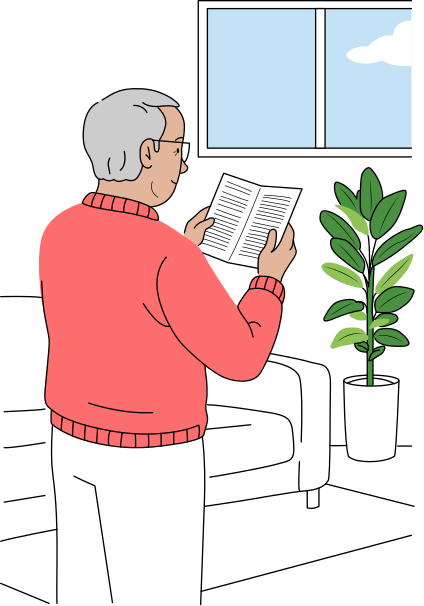
Tailored training to help you feel confident
Before starting home dialysis, you and your carer will receive comprehensive training from the healthcare team. This training will help you learn the essential procedures, including:
Preparing and carrying out dialysis safely.
Using and maintaining equipment.
Managing supplies and orders.
Recognising warning signs to help prevent potential complications.
This training usually lasts between 4 and 6 weeks, depending on your previous experience and confidence with the procedures. You will never be alone: your medical team will remain available to support you every step of the way.
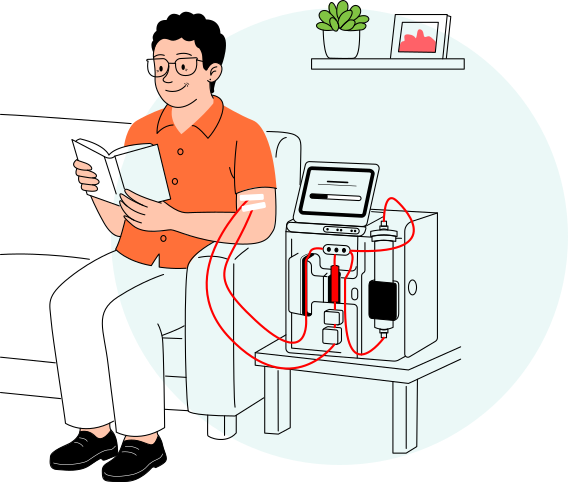
Creating a functional and safe dialysis space at home fonctionnel et sécurisé
Having a suitable space at home is essential for ensuring dialysis sessions are both safe and comfortable:
A clean and dry environment:to maintain the quality of the equipment.
Organised storage: use shelves or cupboards to keep supplies accessible and tidy.
A logical set-up : group essential items by category (dialysis solutions, dressings, accessories).
Strict hygiene practices clean the area regularly to help reduce the risk of infection.
Tip: Keep an inventory of your supplies so you can anticipate orders and avoid running out of stock.
Managing hydration and dry weight
Your dry weight is the ideal weight you should reach after each dialysis session, without excess fluid retention. It is determined by your doctor and may change over time.
Key points:
Monitor your daily weight to detect any unusual fluctuations.
Follow your medical team's fluid intake recommendations between sessions.
An appropriate diet helps manage fluid balance and reduces fatigue.
Maintaining an active lifestyle
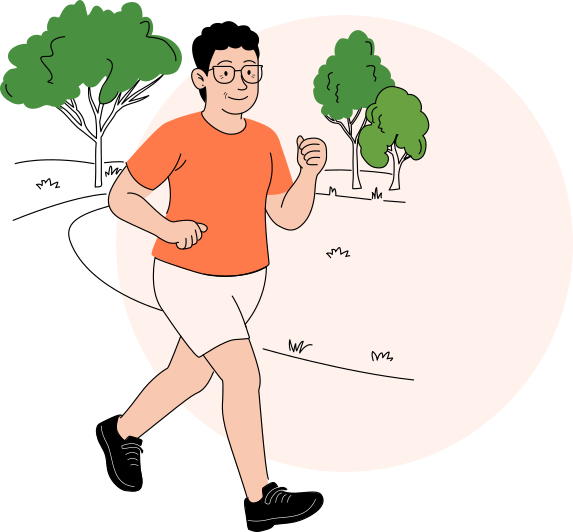
Choosing home dialysis does not mean giving up your usual activities. With good organisation, you can continue to work, travel and take part in suitable physical activities.
Travelling with dialysis:
For short trips, make sure you have all the necessary equipment.
For longer stays, inform your healthcare team in advance so that arrangements can be made for your care on site.
Physical activity:
When your condition allows, regular exercise is strongly recommended (walking, swimming, cycling).
Around 30 minutes of activity per day can help maintain muscle mass and support cardiovascular health.
Regular medical follow-up for your wellbeing
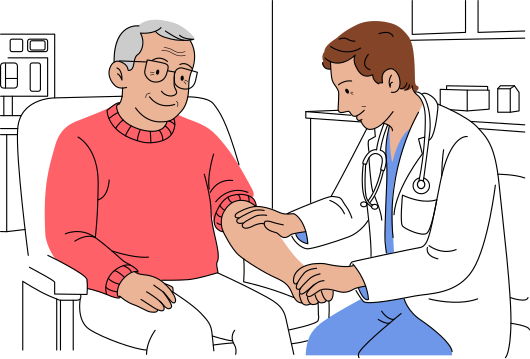
Your healthcare team remains your main source of support, helping guide you and adjust your treatment whenever necessary. Regular consultations will allow them to:
Assess the effectiveness of your dialysis.
Adjust your treatment plan according to your overall condition.
Help you overcome any difficulties you may encounter.
Never hesitate to ask questions or report any changes in your health. And remember: your dialysis should adapt to you, not the other way around !
Vous êtes sur le point de quitter le site de Physidia France
Vous avez cliqué sur un lien conduisant hors du site Physidia France. Votre navigation sur cet autre site est soumise à ses propres conditions générales et de confidentialité. IL est possible que les produits de cet autre site ne soient pas disponibles à la vente dans votre région ou votre pays.
You clicked on a link leading outside the Physidia France site. Your browsing on this other site is subject to its own general and confidentiality conditions. The products on this other site may not be available for sale in your region or country.



 Home » What is HHD? »